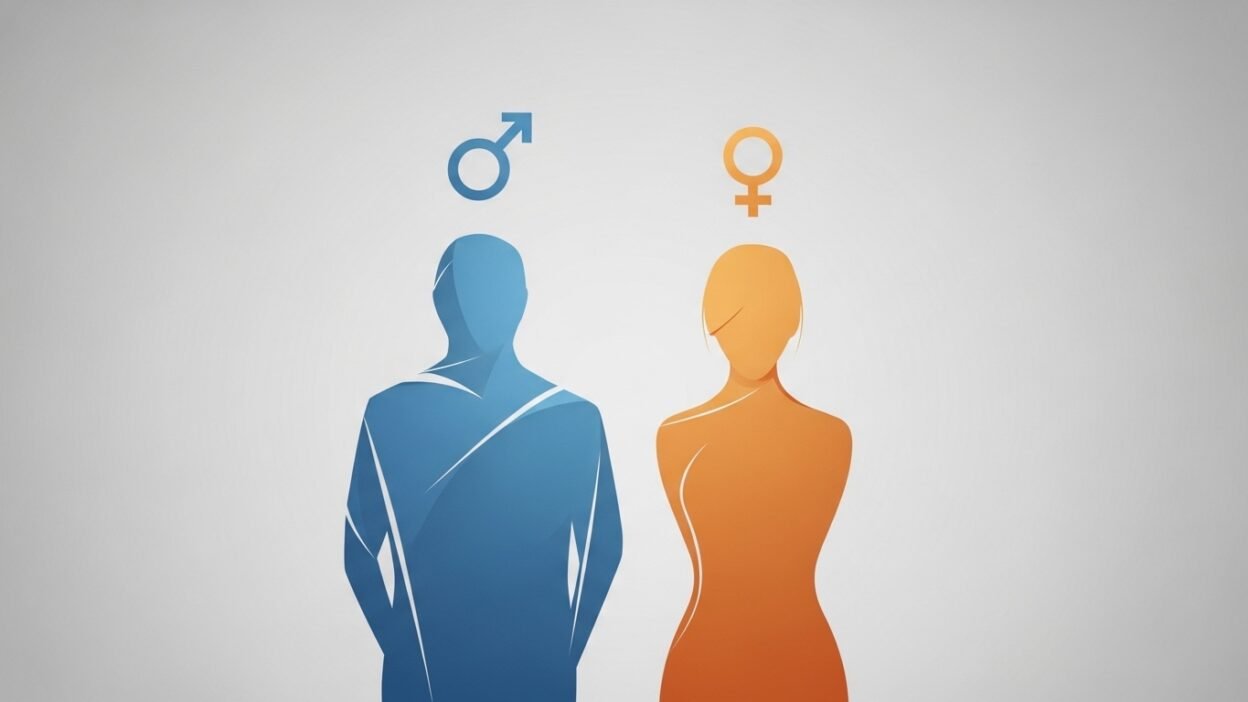
Many people feel confused when they hear the words male and female. Sometimes the words are used in science class. Sometimes they appear on forms. Sometimes they are used when talking about animals or people.
Some people mix up sex and gender. Others are not sure when to use “male” or “female” instead of “man” or “woman.” Students learning English may also wonder: Are they the same? Are they different?
This guide will explain everything in very simple English. By the end, you will clearly understand the difference and know how to use these words correctly in daily life.
Quick Answer: Male or Female
Here is the short and simple answer:
- Male and female are words that describe biological sex.
- Male usually means a body that produces sperm.
- Female usually means a body that produces eggs.
- These words can describe people and animals.
- “Male” and “female” are often used in science, medicine, and forms.
- “Man” and “woman” are usually used in everyday talking.
That is the basic idea. Now let’s look deeper in a simple way.
Simple Background: Where Do These Words Come From?
The words “male” and “female” have been used for hundreds of years. They are used in biology to describe two main body types in humans and many animals.
In basic biology:
- A male body usually makes small reproductive cells called sperm.
- A female body usually makes larger reproductive cells called eggs.
These two types are important for reproduction (having babies).
But in daily life, the words can also connect to identity, culture, and society. That is where some confusion begins.
Clear Explanation of the Difference
Let’s break it down step by step.
1. Biological Meaning
In biology, male and female are about the body.
Male:
- Usually has testes.
- Usually produces sperm.
- Usually has higher levels of testosterone.
Female:
- Usually has ovaries.
- Usually produces eggs.
- Usually has higher levels of estrogen.
These are general patterns. Nature can be complex, and not every body fits perfectly into simple categories.
2. Male/Female vs Man/Woman
This is where many learners get confused.
- Male / Female usually describe biological sex.
- Man / Woman usually describe gender identity and social role.
For example:
- “The baby is male.” (biological description)
- “He is a man.” (identity and social role)
In formal writing (like medical forms), you often see:
- Sex: Male / Female
In normal conversation, people say:
- Man / Woman
- Boy / Girl
3. Sex and Gender (Simple Explanation)
These two words are related but not exactly the same.
- Sex = biological body (male or female).
- Gender = how a person feels, identifies, and lives in society.
For many people, sex and gender match.
For some people, they do not match.
This is why the topic can feel confusing.
Easy Comparison Table
| Feature | Male | Female |
|---|---|---|
| Basic Meaning | Biological body type | Biological body type |
| Reproductive Role | Produces sperm | Produces eggs |
| Common Hormone | More testosterone | More estrogen |
| Used for Animals? | Yes | Yes |
| Used in Science? | Yes | Yes |
| Used in Forms? | Yes | Yes |
| Everyday Identity Word | Man / Boy | Woman / Girl |
This table gives a quick, clear view.
Which One to Use and When?
Knowing when to use “male” or “female” is important.
Use “Male” or “Female” When:
- Filling out official forms.
- Talking about medical or scientific topics.
- Describing animals.
- Giving biological information.
Example:
- “The patient is female.”
- “The male lion protects the group.”
Use “Man,” “Woman,” “Boy,” or “Girl” When:
- Talking in daily conversation.
- Speaking about identity.
- Describing someone socially.
Example:
- “She is a strong woman.”
- “The boy is playing outside.”
In normal conversation, saying “female” about a person can sometimes sound too formal or even rude. It is better to say “woman” or “girl” unless you are speaking scientifically.
Common Mistakes People Make
Let’s look at simple mistakes and how to avoid them.
Mistake 1: Using “Female” Instead of “Woman” in Casual Speech
Saying:
- “There is a female over there.”
This can sound strange.
Better:
- “There is a woman over there.”
Mistake 2: Thinking Male Means “Strong” and Female Means “Weak”
These ideas come from stereotypes, not biology.
Being male or female does not decide:
- Intelligence
- Strength of character
- Skills
- Emotions
Every person is different.
Mistake 3: Forgetting Animals Also Have Male and Female
The words are not only for humans.
Example:
- Male dog
- Female cat
- Male bird
- Female elephant
Mistake 4: Thinking Everything Is Always Simple
Biology can be more complex than just two simple boxes. Some people are born with differences in their bodies. Nature is not always black and white.
It is good to stay respectful and open-minded.
Everyday Real Life Examples
Let’s see how these words appear in real life.
Example 1: School Form
“Sex: Male ☐ Female ☐”
This is asking about biological sex.
Example 2: News Report
“The female athlete won the race.”
Here, “female” describes category in sports.
Example 3: Social Media Post
“Proud to be a woman in science!”
Here, “woman” is used instead of “female” because it sounds natural and personal.
Example 4: At the Vet (Animal Doctor)
“Your dog is male, so he may behave this way.”
This is correct use for animals.
Example 5: Job Application Email
Correct:
“I am a 25-year-old woman applying for the position.”
Less natural:
“I am a 25-year-old female applying…”
“Woman” sounds more human and natural.
Learning Section for Students and Beginners
Let’s review in a simple way.
Key Vocabulary
- Male = biological body that produces sperm.
- Female = biological body that produces eggs.
- Sex = body type (male/female).
- Gender = identity and social role.
- Stereotype = unfair general idea about a group.
Simple Practice Questions
- Which word is more common in science: male or man?
Male - Which word sounds more natural in conversation: female or woman?
Woman - Can animals be male or female?
Yes - Are male and female only about personality?
No
Easy Memory Tip
Think:
- Male/Female = Biology
- Man/Woman = Identity and daily life
Short and simple.
FAQ
1. Is male the same as man?
Not exactly. “Male” describes biological sex. “Man” describes a person’s gender and social role.
2. Is female the same as woman?
Not exactly. “Female” is biological. “Woman” is identity and social role.
3. Can animals be male or female?
Yes. These words are often used for animals.
4. Why do forms ask for male or female?
Forms usually ask for biological information for medical or official reasons.
5. Is it rude to call someone “a female”?
It can sound cold or too formal in casual speech. It is usually better to say “woman” or “girl.”
6. Do male and female decide personality?
No. Personality depends on many things: family, culture, experiences, and personal choices.
7. Are there only two biological sexes?
Most people are born male or female. However, biology can be complex, and some people are born with differences in their bodies.
8. Which word should ESL learners use in conversation?
In daily life, use:
- Man
- Woman
- Boy
- Girl
Use “male” and “female” mainly in formal or scientific situations.
Simple and Clear Conclusion
The words male and female describe biological body types. They are often used in science, medicine, and official forms.
In everyday life, people usually say man or woman instead. This sounds more natural and respectful.
Remember:
- Male/Female biology.
- Man/Woman identity and daily speech.
Understanding this difference removes confusion. Now you can use these words correctly and confidently in school, work, and daily conversation.
Clear language helps us communicate better and understanding simple differences makes learning easier.