Many English learners feel confused when they try to write or say “elses” or “else’s.” The words look almost the same, and both come from the word else, which is very common in English.
People often want to talk about something that belongs to another person, so they try to add ’s to the word else. But this creates a problem. Some learners write elses, others write else’s, and many people are not sure which one is correct.
The truth is that English handles the word else in a special way. In most situations, elses is not a correct word, and else’s is rarely used by itself. Instead, English uses a slightly different structure that may feel unusual at first.
Once you understand the rule, the confusion becomes very easy to solve. This article explains everything in clear and simple English so you can use the correct form with confidence.
Quick Answer
Here is the simple explanation:
- Elses is not a standard English word.
- Else’s can appear, but not usually by itself.
- The correct structure is usually “someone else’s”, “anyone else’s”, or “something else’s.”
- In English, ’s is added to the whole phrase, not just the word else.
Examples:
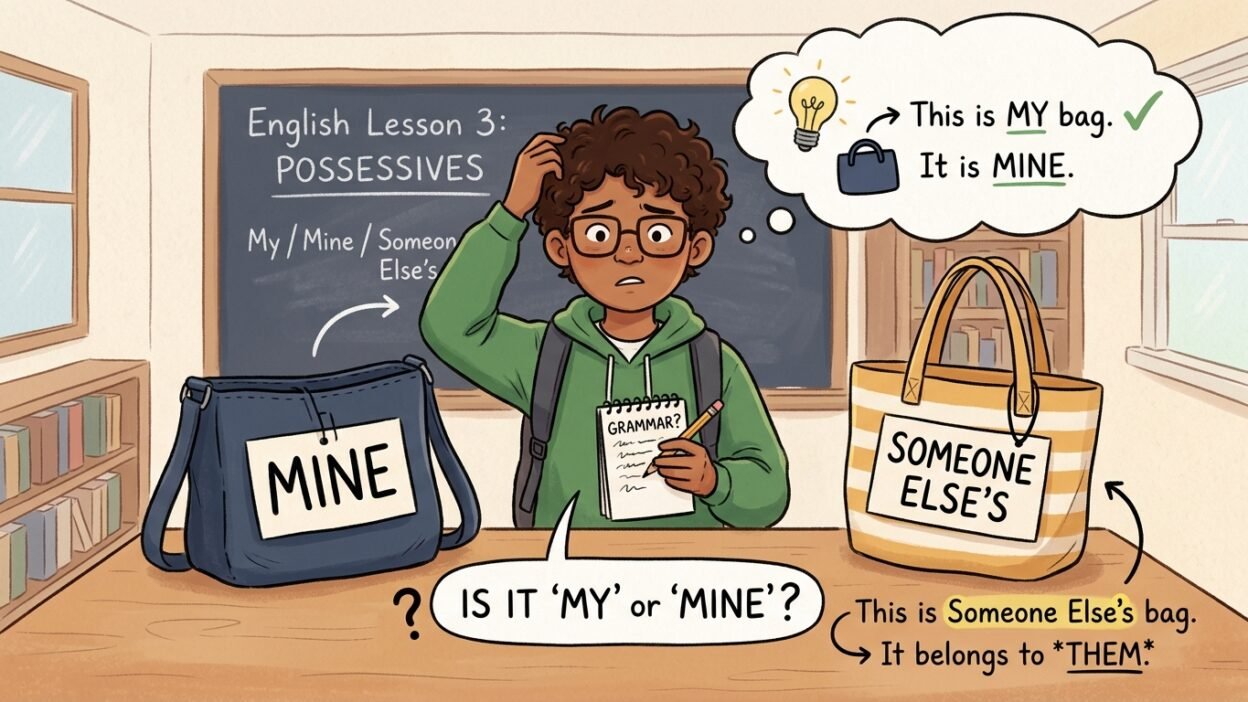
- This is someone else’s bag. ✅
- That must be somebody else’s phone. ✅
- This is elses bag. ❌
Simple Origin or Background
To understand why people get confused, it helps to know what the word else means.
The word else means:
- another person
- another thing
- different from this
Examples:
- Do you want anything else?
- Is anyone else coming to the meeting?
- I don’t need anything else today.
The word else usually comes after words like someone, anyone, something, or anything.
Examples:
- someone else
- somebody else
- something else
- anyone else
- nobody else
When we want to show ownership, English normally adds ’s.
Example:
- John’s book
- Sarah’s phone
- the teacher’s desk
But with else, the ’s goes at the end of the whole phrase, not just after else alone.
Example:
- someone else’s book
This rule is the reason many learners become confused.
Clear Explanation of the Difference
Let’s clearly explain the two forms.
What “elses” means
The word elses is usually incorrect in standard English.
People sometimes write it because they think else + s works like other plural words.
For example:
- book → books
- car → cars
But else does not work this way.
So sentences like this are wrong:
- This is elses bag.
- I found elses phone.
These sentences sound unnatural to native speakers.
What “else’s” means
The form else’s can appear, but it is almost always part of a phrase, not used alone.
Example:
- someone else’s
- somebody else’s
- anyone else’s
- nobody else’s
In these examples, the ’s shows possession.
Example sentences:
- That is someone else’s jacket.
- I accidentally took somebody else’s notebook.
- We parked in someone else’s space.
So the important rule is this:
The ’s belongs to the whole phrase, not just the word else.
Comparison Table
| Form | Is it Correct? | Meaning | Example |
|---|---|---|---|
| elses | No | Not a standard word | This is elses bag. ❌ |
| else’s | Rare alone | Usually part of a phrase | someone else’s phone |
| someone else’s | Yes | belonging to another person | This is someone else’s bag. |
| anybody else’s | Yes | belonging to another person | That must be anybody else’s jacket. |
This table shows that the correct form usually includes a word before else.
Which One to Use and When
To avoid mistakes, follow this simple rule.
Use phrases like these
Use:
- someone else’s
- somebody else’s
- anyone else’s
- anything else’s (less common but possible)
- nobody else’s
Examples:
- I think this is someone else’s umbrella.
- She accidentally wore somebody else’s coat.
- That cannot be anyone else’s seat.
Do not use “elses”
Avoid sentences like:
- This is elses problem.
- I used elses laptop.
Correct version:
- This is someone else’s problem.
- I used someone else’s laptop.
Common Mistakes People Make
Many learners make similar mistakes when using else.
Mistake 1: Adding “s” like a normal plural
Incorrect:
- This is elses car.
Correct:
- This is someone else’s car.
Mistake 2: Putting ’s in the wrong place
Incorrect:
- someone’s else bag
Correct:
- someone else’s bag
The ’s always goes after else, not after someone.
Mistake 3: Forgetting the word before else
Incorrect:
- I took else’s pen.
Correct:
- I took someone else’s pen.
Mistake 4: Using “elses” in writing
Many learners type elses in messages or homework, but it is not correct in standard English.
Everyday Real-Life Examples
Understanding these phrases becomes easier when we see them in daily situations.
In emails
Example:
- I think I accidentally took someone else’s notebook after the meeting.
Another example:
- Please check if this is anyone else’s document.
In news or reports
Example:
- The traveler picked up someone else’s suitcase by mistake.
Another example:
- Police returned someone else’s wallet to the owner.
On social media
Example:
- “I just realized I’m wearing someone else’s jacket.”
Another example:
- “This phone charger is someone else’s, not mine.”
In everyday conversations
Example:
- Friend: “Is this your backpack?”
- You: “No, it’s someone else’s.”
Another example:
- Teacher: “Whose pencil is this?”
- Student: “It might be someone else’s.”
These examples show how common the phrase someone else’s is in everyday English.
Learning Tips for Students and Beginners
If you are learning English, these tips can help you remember the rule.
Tip 1: Always include a word before “else”
Think of else as part of a phrase.
Correct structure:
- someone else
- something else
- anyone else
Tip 2: Add ’s at the very end
Example:
- someone else’s book
- somebody else’s phone
- anyone else’s seat
Tip 3: Practice simple sentences
Try saying these:
- This is someone else’s bag.
- I took someone else’s pen.
- That must be somebody else’s jacket.
Practice helps the structure feel natural.
Tip 4: Remember that “elses” is wrong
If you see elses, it is almost always a mistake.
Replace it with:
someone else’s
(FAQ)
1. Is “elses” a correct English word?
No. Elses is not considered correct in standard English.
2. Can “else’s” be used alone?
Sometimes in conversation, but it usually appears in a phrase like someone else’s.
3. What does “someone else’s” mean?
It means something that belongs to another person.
Example:
- This is someone else’s phone.
4. Why can’t we say “elses”?
Because else does not form possession that way in English. The ’s attaches to the whole phrase.
5. Which is correct: “someone’s else bag” or “someone else’s bag”?
The correct form is:
- someone else’s bag
6. Is this rule common in English?
Yes. Native speakers use phrases like someone else’s very often.
7. Can we say “anyone else’s”?
Yes. Example:
- Is this anyone else’s notebook?
8. Is the phrase used in everyday conversation?
Yes. People say someone else’s, somebody else’s, and anyone else’s regularly.
Conclusion
The confusion between elses and else’s happens because the word else behaves differently from many other English words.
In standard English, elses is not correct, and else’s rarely appears alone. Instead, English uses phrases like someone else’s, somebody else’s, or anyone else’s to show possession.
The important rule is simple: the ’s goes at the end of the whole phrase, not just after the word else.
Once you remember this structure, it becomes easy to use in everyday English. With practice, phrases like someone else’s bag, somebody else’s phone, and anyone else’s seat will feel natural and clear.
Understanding this small rule can help you avoid common mistakes and make your English writing and speaking more accurate and confident.