
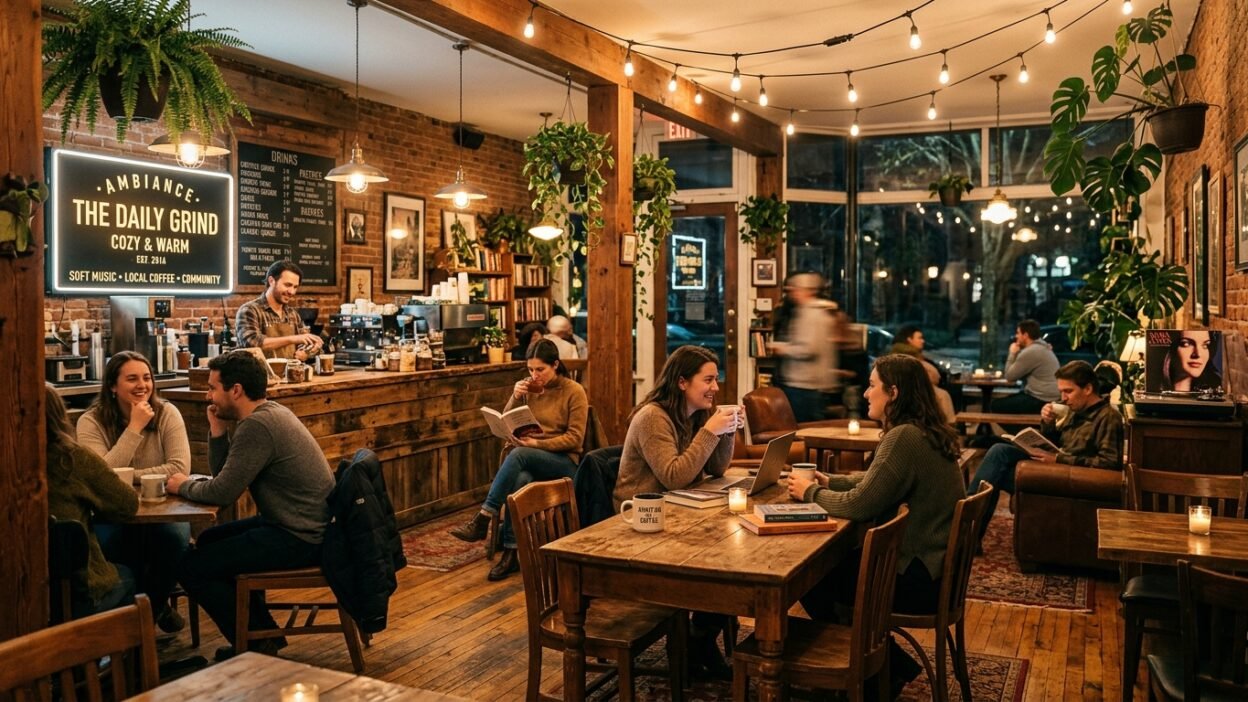
Many English learners feel confused when they see the words ambience and ambiance. The two words look almost the same. They also sound almost the same when spoken. Because of this, many people think they must have different meanings.
You might see ambience in one book and ambiance in another article. In restaurants, travel blogs, hotel reviews, and even social media posts, both spellings appear. This can make students wonder:
Are these two different words?
Is one correct and the other wrong?
Which one should I use in writing?
The good news is that the answer is simple. Once you understand the background and usage, the confusion disappears.
This guide explains everything in very simple English so students, beginners, and ESL learners can understand the difference easily.
Quick Answer
Here is the short and clear explanation:
- Ambience and ambiance have the same meaning.
- Both words describe the feeling, mood, or atmosphere of a place.
- The difference is only spelling.
- Ambience is the more common spelling in British English.
- Ambiance is the more common spelling in American English.
- Both spellings are correct.
Example:
- The restaurant has a warm ambience.
- The restaurant has a warm ambiance.
Both sentences mean exactly the same thing.
Simple Background and Origin
To understand why two spellings exist, it helps to look at the history of the word.
Both ambience and ambiance come from the French language. The original French word is “ambiance.”
In French, ambiance means the surrounding atmosphere or feeling of a place.
When English borrowed this word many years ago, writers started spelling it in two different ways:
- Some kept the French spelling: ambiance
- Others changed the spelling slightly to ambience
Over time, both forms became accepted in English. That is why today you see two spellings but one meaning.
This situation is common in English because the language borrows words from many other languages.
What Do Ambience and Ambiance Mean?
Both words describe the general feeling or mood of a place.
This feeling can come from many things, such as:
- lighting
- music
- decoration
- smell
- colors
- sounds
- people
- temperature
When all these things work together, they create the ambience (or ambiance).
Simple Example
Imagine walking into a small coffee shop.
You notice:
- soft music playing
- warm yellow lights
- comfortable chairs
- the smell of fresh coffee
All these details create a relaxed and cozy feeling. That feeling is the ambience or ambiance.
The Real Difference Between Ambience and Ambiance
The most important thing to remember is this:
The difference is only spelling, not meaning.
Both words mean exactly the same thing.
However, there is a small usage difference depending on the type of English.
British English
Writers often prefer ambience.
Example:
The hotel has a peaceful ambience.
American English
Writers often prefer ambiance.
Example:
The hotel has a peaceful ambiance.
Even so, many people mix them, and both are widely accepted.
So you will still see ambience in American writing and ambiance in British writing sometimes.
Comparison Table
| Feature | Ambience | Ambiance |
|---|---|---|
| Meaning | Mood or atmosphere of a place | Mood or atmosphere of a place |
| Origin | From French | From French |
| Spelling style | More common in British English | More common in American English |
| Pronunciation | Same pronunciation | Same pronunciation |
| Correctness | Correct | Correct |
| Usage | Formal and informal writing | Formal and informal writing |
As you can see, the meaning is exactly the same.
Which One Should You Use?
Choosing between ambience and ambiance is very easy.
You can follow these simple guidelines.
Use “ambience” when:
- Writing in British English
- Writing for readers in the UK or Commonwealth countries
- Your school or style guide prefers British spelling
Example:
The restaurant has a romantic ambience.
Use “ambiance” when:
- Writing in American English
- Writing for readers in the United States
- Following American spelling rules
Example:
The café has a relaxing ambiance.
If you are unsure
If you do not know which style to use, choose one spelling and stay consistent throughout your writing.
Consistency is more important than the specific spelling.
Common Mistakes People Make
Because the words look similar, people sometimes make small mistakes.
Here are the most common ones.
1. Thinking they have different meanings
Some learners believe:
- ambience = sound or music
- ambiance = decoration or design
This is not true. Both words describe the overall feeling of a place.
2. Mixing spellings in the same text
Example of incorrect usage:
The restaurant’s ambience is beautiful. The warm ambiance makes customers comfortable.
This looks inconsistent.
Better:
Use one spelling throughout the text.
3. Spelling errors
People sometimes write:
- ambiens
- ambients
- ambianc
These spellings are incorrect.
Correct forms:
- ambience
- ambiance
4. Using it only for restaurants
Many people think the word only describes restaurants or cafés.
But ambience/ambiance can describe many places, including:
- homes
- offices
- parks
- schools
- hotels
- events
Everyday Real Life Examples
Here are simple examples from daily life.
In an Email
We chose this hotel because the ambience is calm and relaxing.
In a Restaurant Review
The food was delicious, and the ambiance made the evening special.
On Social Media
I love the cozy ambience of this coffee shop.
In News Writing
The festival created a joyful ambiance across the city.
In Daily Conversation
This place has such a peaceful ambience.
In Travel Writing
The beach resort offers a tropical ambiance with music, lights, and ocean views.
Learning Tips for Students and Beginners
If you are learning English, these tips can help you remember the difference.
Tip 1: Remember the Meaning
Both words mean:
the feeling or atmosphere of a place
Tip 2: Think About Location
- Ambience → British English
- Ambiance → American English
Tip 3: Listen to How People Use It
You will hear this word often in topics like:
- restaurants
- hotels
- travel
- interior design
Tip 4: Practice Simple Sentences
Examples:
- The room has a warm ambience.
- The lighting creates a romantic ambiance.
- The music improves the ambience.
Practice writing your own sentences.
(FAQ)
1. Are ambience and ambiance the same?
Yes. They have the same meaning. The only difference is spelling.
2. Which spelling is correct?
Both ambience and ambiance are correct.
3. Which spelling is more common?
- Ambience is more common in British English.
- Ambiance is more common in American English.
4. Do they sound different?
No. Both words are pronounced the same way.
5. Can I use them in formal writing?
Yes. Both spellings are acceptable in formal and informal writing.
6. What does ambience mean in simple words?
It means the overall feeling or mood of a place.
7. Is ambience only used for restaurants?
No. It can describe any place such as homes, parks, offices, or hotels.
8. Should I use both spellings together?
No. It is better to choose one spelling and use it consistently.
Conclusion
The confusion between ambience and ambiance is very common, especially for English learners. The two words look different, but their meaning is exactly the same.
Both describe the atmosphere, mood, or feeling of a place.
The only real difference is spelling:
- Ambience is more common in British English
- Ambiance is more common in American English
Both spellings are correct, and both are widely used around the world.
So the next time you describe a cozy café, a peaceful hotel, or a beautiful restaurant, you can confidently use either ambience or ambiance.
Just remember one simple rule:
Choose one spelling and stay consistent.