Many English learners feel confused when they see the words “treck” and “trek.” At first glance, both words look almost the same. The only difference is one extra letter “c.”
Because of this small spelling difference, many people wonder if both words are correct or if they have different meanings.
In reality, the situation is much simpler than it looks.
One of these spellings is the correct English word, and the other is usually just a spelling mistake. However, because the incorrect spelling appears often online or in casual writing, learners sometimes think it is also a real word.
In this guide, you will clearly understand which spelling is correct, why people confuse them, how the word developed, and how to use it correctly in everyday English.
Quick Answer
Here is the simple answer:
- Trek is the correct English word.
- Treck is usually a spelling mistake.
- Trek means a long and difficult journey, often on foot.
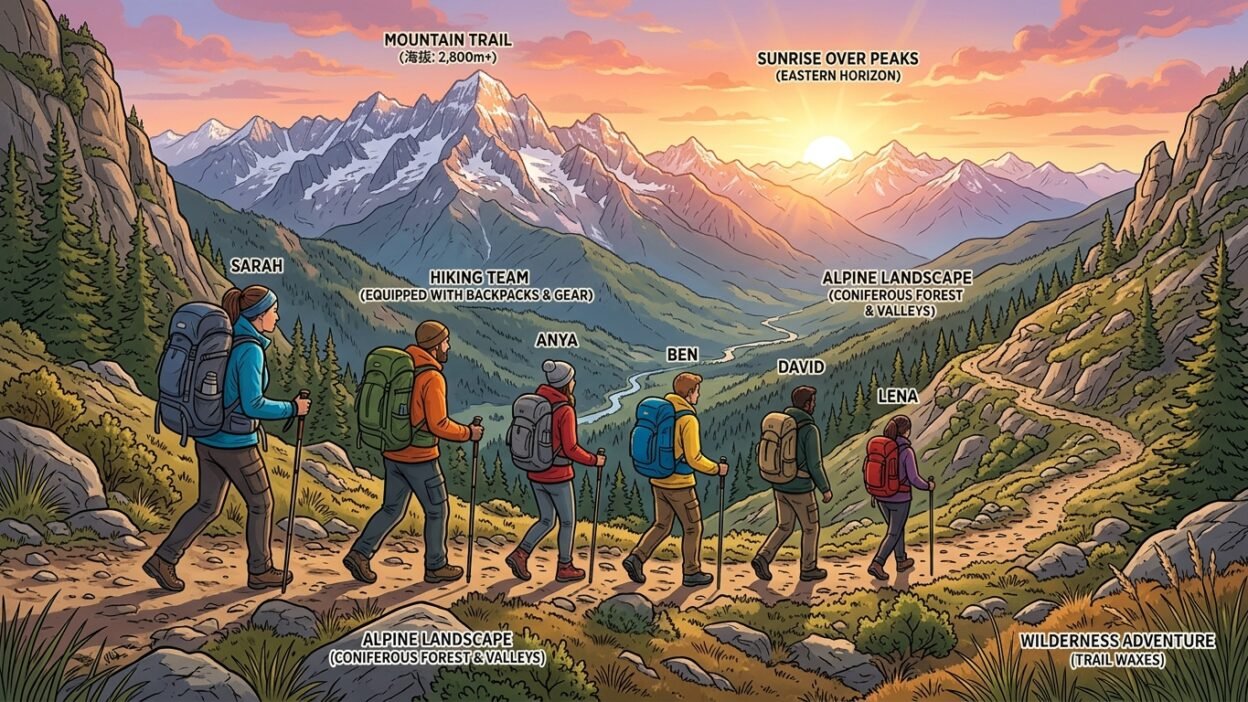
- The word is commonly used for hiking, travel, or long trips through nature.
Examples:
- We went on a trek in the mountains.
- They planned a long trek across the desert.
You should almost always use trek, not treck.
Simple Origin or Background
To understand why trek is the correct spelling, it helps to know where the word came from.
The word trek entered English from a language spoken in South Africa in the 1800s. In that language, the word meant to travel slowly over a long distance, often with animals, wagons, or on foot.
Early travelers used the word to describe long journeys across rough land, such as deserts, mountains, or wild areas.
Over time, English speakers began using trek to describe any long, difficult journey, especially:
- hiking trips
- mountain journeys
- long travel in nature
As the word became popular, people sometimes misspelled it as “treck.” This spelling spread in casual writing, but it never became the standard form.
Today, trek is the accepted spelling in modern English.
Clear Explanation of the Difference
Now let’s clearly explain the difference between the two spellings.
What “trek” means
Trek is a real English word.
It usually describes a long journey that requires effort, often through nature or difficult places.
Common situations where people use the word:
- hiking in mountains
- walking through forests
- traveling across deserts
- exploring remote areas
Examples:
- We went on a trek through the jungle.
- The group started a five-day trek in the mountains.
- Tourists enjoy trekking in beautiful natural areas.
The word can be used as both:
- a noun (the trek)
- a verb (to trek)
Example:
- We trekked for hours to reach the village.
What “treck” means
In most situations, treck is not considered a correct English word.
It usually appears because of:
- typing mistakes
- spelling confusion
- misunderstanding of the word
Example of the mistake:
- We went on a treck in the mountains. ❌
Correct version:
- We went on a trek in the mountains. ✔️
In formal writing, books, newspapers, and education, you will almost always see trek, not treck.
Comparison Table
| Word | Is it correct? | Meaning | Example |
|---|---|---|---|
| Trek | Yes | A long and often difficult journey | We went on a trek in the mountains. |
| Treck | Usually no | Misspelling of trek | We went on a treck in the mountains. |
| Trekking | Yes | The activity of going on long walks or journeys | Trekking is popular in many countries. |
| Trecking | Incorrect | Spelling mistake | Many tourists enjoy trecking. |
This table shows clearly that trek is the correct form.
Which One to Use and When
Choosing the correct word is very simple.
Use “trek” when you mean:
- a long journey
- a hiking adventure
- a difficult walk in nature
- travel through mountains or forests
Examples:
- The travelers began their trek across the valley.
- We planned a trek in the national park.
- Many tourists enjoy trekking in the mountains.
Avoid using “treck”
Since treck is usually just a spelling mistake, it should not be used in:
- school writing
- emails
- articles
- formal communication
If you want to describe a long journey, always write trek.
Common Mistakes People Make
English learners often make a few common mistakes with this word.
Mistake 1: Adding the letter “c”
Many people write treck instead of trek.
Incorrect:
- We planned a treck in the mountains.
Correct:
- We planned a trek in the mountains.
Mistake 2: Confusing “trek” with normal walking
A trek is usually longer and more challenging than a simple walk.
Example:
- A walk in the park is not usually a trek.
- A three-day mountain hike can be called a trek.
Mistake 3: Using the wrong form
Some learners also misspell related words.
Incorrect:
- trecking
- trecked
Correct:
- trekking
- trekked
Remember that the base word is trek.
Everyday Real-Life Examples
Let’s look at how the word trek appears in everyday situations.
In emails
Example:
- Our travel group is planning a trek in the mountains next month.
Another example:
- I just returned from a trek through a beautiful forest.
In news writing
Example:
- Hundreds of hikers began a long trek to the mountain summit.
Another example:
- The rescue team completed a difficult trek through snow.
On social media
Example:
- “Just finished an amazing trek in the hills today!”
Another example:
- “Planning my first trekking trip this summer.”
In everyday conversation
Example:
- Friend: “What did you do during your vacation?”
- You: “We went on a trek in the mountains.”
Another example:
- “The trek to the waterfall took three hours.”
These examples show how natural the word trek is in daily English.
Learning Tips for Students and Beginners
If you are learning English, here are simple ways to remember the correct spelling.
Tip 1: Remember the short spelling
The correct word is short and simple:
trek
There is no letter “c.”
Tip 2: Connect the word with adventure
Think of trek as an adventure journey.
Examples:
- mountain trek
- jungle trek
- desert trek
This connection helps you remember the meaning.
Tip 3: Practice spelling
Write a few practice sentences:
- We went on a trek in the hills.
- The group started a long trek early in the morning.
- Many travelers enjoy trekking in nature.
Repeating the correct spelling helps it stay in your memory.
Tip 4: Read travel stories
Travel books, documentaries, and stories often use the word trek. Seeing it in real situations helps you learn how it is used.
(FAQ)
1. Is “treck” a real English word?
No. In most cases, treck is just a spelling mistake of the word trek.
2. What does “trek” mean?
A trek is a long and often difficult journey, usually on foot and often in nature.
3. Is trekking the same as hiking?
They are similar, but trekking usually describes longer and more challenging journeys than simple hiking.
4. Why do people write “treck”?
People often add the letter “c” by mistake when spelling the word.
5. Can “trek” be used as a verb?
Yes.
Example:
- We trekked through the mountains for two days.
6. What is “trekking”?
Trekking is the activity of going on long journeys or hikes in nature.
7. Is “trek” used in travel and adventure topics?
Yes. It is very common in travel, adventure, and outdoor activities.
8. Is the spelling important?
Yes. Using the correct spelling trek makes your writing clearer and more professional.
Conclusion
The difference between treck and trek is actually very simple.
Trek is the correct English word and refers to a long and often difficult journey, usually through natural environments like mountains, forests, or deserts.
Treck, on the other hand, is almost always a spelling mistake. It appears in casual writing or typing errors but is not accepted as the standard spelling.
For students, beginners, and anyone learning English, the best rule is easy to remember:
Always use “trek.”
Once you keep this simple rule in mind, you will avoid confusion and use the word confidently in conversations, writing, and everyday English.