Introduction
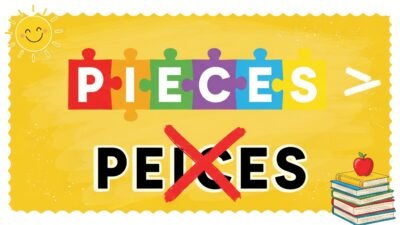
Many students feel confused when writing the word potatoes.
They often stop and think:
Is it potatoes?
Or is it potatos?
This confusion is very common. The two words look almost the same. The only difference is one small letter: “e.”
But that small letter changes everything.
In this article, we will remove all confusion in a very simple way. By the end, you will clearly understand which spelling is correct and why.
Let’s make it easy.
Quick Answer
Here is the simple truth:
- ✅ Potatoes is correct.
- ❌ Potatos is incorrect.
- The correct plural of potato adds -es, not just -s.
- Always write potatoes in school, exams, and formal writing.
If you remember only one thing, remember this:
Potatoes is correct. Potatos is wrong.
Simple Origin and Background
The word potato comes from Spanish. The Spanish word is patata.
When English speakers borrowed this word, they changed it to potato.
Now here is the important part:
In English, many nouns that end in -o follow special rules when we make them plural.
Some words only add -s:
- radio → radios
- video → videos
But some words add -es:
- tomato → tomatoes
- hero → heroes
- potato → potatoes
That is why we write potatoes, not potatos.
Clear Explanation of the Difference
Let’s look at it clearly.
1. Potato (Singular)
This means one potato.
Example:
- I ate one potato.
- The potato is on the table.
2. Potatoes (Plural Correct Form)
This means more than one potato.
Example:
- I bought three potatoes.
- The potatoes are cooking.
Notice we added -es, not just -s.
3. Potatos (Incorrect Form)
This spelling is wrong.
Example:
- ❌ I bought three potatos.
This is not correct English.
The reason is simple:
When a noun ends in -o and has a consonant before it (like “t” in potato), we usually add -es.
Potato → potato + es → potatoes
That is the rule.
Comparison Table
Here is a simple table to help you see the difference:
| Word | Correct? | Meaning | Use in Writing |
|---|---|---|---|
| Potato | ✅ Yes | One potato | Correct |
| Potatoes | ✅ Yes | More than one potato | Correct |
| Potatos | ❌ No | No meaning (wrong spelling) | Incorrect |
This makes it very clear:
Potatoes is correct. Potatos is wrong.
Which One to Use and When
Here is simple advice:
Use “potato” when:
- You are talking about one.
- Example: I baked a potato.
Use “potatoes” when:
- You are talking about two or more.
- Example: She peeled five potatoes.
Never use “potatos”
Even in casual writing, avoid this spelling.
If you write “potatos” in an exam, it will be marked wrong.
Common Mistakes People Make
Let’s look at mistakes learners often make.
1. Adding only “-s”
Some learners think all nouns just add “-s.”
For example:
- cat → cats
- book → books
So they write:
- potato → potatos ❌
But potato is different. It needs -es.
2. Forgetting the -es rule
Words like these follow the same rule:
- tomato → tomatoes
- hero → heroes
- echo → echoes
So if you remember “tomatoes,” you can remember “potatoes.”
3. Mixing singular and plural
Incorrect:
- The potatoes is ready. ❌
Correct:
- The potatoes are ready. ✅
Because potatoes is plural, we use are, not is.
4. Writing “potatoe”
Some people write:
- ❌ potatoe
That is also incorrect.
Correct forms:
- potato (singular)
- potatoes (plural)
Everyday Real Life Examples
Let’s see how this word appears in daily life.
In Emails
- Please buy potatoes from the store.
- We need more potatoes for dinner.
In News
- Farmers are growing more potatoes this year.
- Potato prices are rising.
News writing always uses the correct plural: potatoes.
On Social Media
- I love mashed potatoes!
- Fries are made from potatoes.
If someone writes “potatos,” it is a spelling mistake.
In Daily Conversations
- How many potatoes do we need?
- These potatoes taste great.
- I baked two potatoes.
Notice how natural “potatoes” sounds.
Short Learning Section for Students and Beginners
Here is a simple way to remember the rule.
Rule:
If a word ends in consonant + o, often add -es.
Examples:
- tomato → tomatoes
- hero → heroes
- potato → potatoes
Easy Memory Trick
Think about the famous food pair:
Tomatoes and potatoes
Both words end the same way: -toes
Tomatoes
Potatoes
If tomatoes has -es, then potatoes also has -es.
This trick helps many students remember.
Quick Practice
Fill in the blank:
- I bought five ______.
- She cooked three ______.
- The ______ are hot.
Answers:
- potatoes
- potatoes
- potatoes
Simple!
FAQ
1. Is “potatos” ever correct?
No. It is always incorrect in standard English.
2. Why do we add “-es” instead of just “-s”?
Because potato ends in consonant + o. Many words like this add “-es.”
3. Are all words ending in -o the same?
No. Some words just add “-s.”
For example:
- piano → pianos
- photo → photos
English has some exceptions.
4. How do I know when to add -es?
There is no perfect rule for every word. But common food words like tomato and potato use “-es.”
It is best to memorize common examples.
5. Is this rule used in American and British English?
Yes. Both use potatoes.
6. What is the plural of sweet potato?
Sweet potatoes.
We add “-es” to potato.
7. Can I use “potatoes” as an adjective?
Yes.
Example:
- potato soup
- potatoes salad (less common; usually “potato salad”)
8. How can I avoid this mistake in exams?
Remember this phrase:
Tomatoes and potatoes.
Both use “-es.”
Conclusion
The confusion between potatoes and potatos is very easy to fix.
Only one spelling is correct:
Potatoes
The word potatos is wrong and should not be used.
When you talk about more than one potato, always add -es.
Potato → Potatoes
Now you can write confidently without hesitation.
Next time you cook, shop, or write about food, you will know exactly how to spell it.
No more confusion. No more mistakes. Just correct English.